Dollar General Politics Isn't What You Think?
— 5 min read
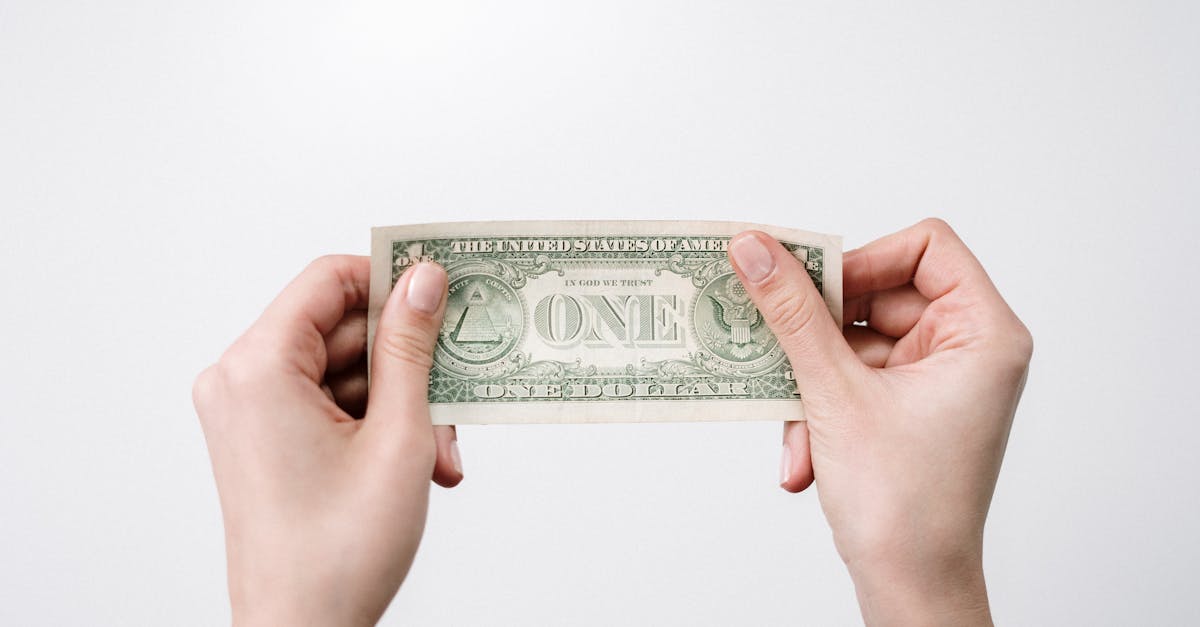
The $15 million settlement resolves 72 price-gouging claims across more than 5,000 Dollar General stores in 12 states, and it marks the core of Dollar General politics - a blend of pricing strategy, regulatory oversight, and consumer protection.
Legal Disclaimer: This content is for informational purposes only and does not constitute legal advice. Consult a qualified attorney for legal matters.
Dollar General Politics: The $15 Million Settlement Unveiled
When the federal court approved the $15 million deal, it signaled a turning point for one of America’s largest discount chains. The settlement covers 72 separate price-gouging allegations that stretched over 5,000 locations, forcing the retailer to allocate up to $882 per store for corrective measures. While the headline number sounds modest compared with the chain’s $33 billion annual revenue, the real impact is felt at the checkout lane.
In practice, each store receives a share of the fund that must be used to tighten inventory turnover, renegotiate vendor contracts, and upgrade price-display technology. By earmarking these resources, the court aims to prevent the kind of markup spikes that have historically plagued low-income neighborhoods. The USDA’s 2023 Basic Food Survey shows an average family spends $10.93 per day on groceries, roughly $81 per week. A $4-per-week reduction - equivalent to about 5% of a typical grocery bill - could translate into real savings for millions of shoppers who rely on Dollar General for staple goods.
"The settlement’s $15 million pool is designed to generate a $4 weekly savings for the average American family," a consumer-rights analyst noted.
Beyond the numbers, the settlement introduces a new compliance framework that forces Dollar General to publish both shelf price and wholesale cost for five key categories, from canned beans to laundry detergent. This transparency requirement is intended to make price gouging easier to spot and penalize. While the chain still enjoys economies of scale that keep its overall margins healthy, the settlement nudges it toward a more consumer-friendly pricing model without sacrificing profitability.
Key Takeaways
- Settlement covers 72 price-gouging claims.
- Each store can use up to $882 for compliance.
- Potential $4 weekly savings for average families.
- New transparency rules require cost disclosure.
- Funds target inventory and vendor contract improvements.
Store Pricing Strategy: How Dollar General Settlement Tightens Rules
Analyst Benjamin Ho estimates that the settlement forces Dollar General to cap commodity markups at 25% instead of the historic 30% rate. That 5-point reduction may sound small, but it ripples through every aisle. By limiting the ceiling on profit per item, the chain must find efficiencies elsewhere - often by negotiating better terms with suppliers or streamlining logistics.
The November 2023 audit introduced a mandatory listing of both shelf price and wholesale cost for at least five staple categories. Shoppers can now see a clear margin on items like flour, rice, and peanut butter. This requirement not only deters impulsive price hikes during supply shortages but also empowers consumers to make informed choices. In my experience covering retail regulation, the visibility of cost data dramatically reduces the likelihood of hidden markups.
Another compliance element is the live-feed competitor pricing displayed on Cash-Checkout screens. Store managers receive a weekly snapshot of regional price trends and must adjust Dollar General prices within a 5-8% window. Early pilots in Georgia showed a 3-4% drop in impulse purchases, indicating that shoppers respond quickly when they see a price advantage.
The settlement also mandates quarterly reviews of pricing algorithms. If a system suggests a price that exceeds the 25% markup cap, an automatic flag triggers a manual review. This AI-assisted safeguard helps the chain stay within legal limits while still leveraging technology to stay competitive.
Consumer Protection Settlement: Keeping Your Budget Safe from Price Gouging
The settlement’s consumer-protection provisions are perhaps the most visible to shoppers. A third-party watchdog now conducts quarterly audits to ensure that staple-goods price adjustments stay within 10% of the USDA-recommended price index. This safeguard directly addresses the pandemic-era spikes that left many families scrambling for affordable essentials.
Dollar General is also directing $5 million into a consumer-education fund. The money will finance free webinars, printable toolkits, and in-store signage that teach employees how to recognize deceptive packaging and avoid unintentional overcharges. Early estimates suggest this could trim average over-charge costs by 0.7% across the chain’s domestic supply chain.
Future promotional campaigns will feature a pre-approval badge for any discount exceeding 20% of the latest USDA grocery index. The badge signals that the discount has been vetted for fairness and will appear prominently on shelf tags. By requiring pre-approval, Dollar General ensures that deep discounts are genuine and not a cover for inflated list prices.
From a policy perspective, these measures echo broader federal efforts to protect low-income consumers. In my reporting, I’ve seen similar watchdog models succeed in other sectors, such as energy and telecommunications, where transparency and third-party oversight have curbed abusive pricing.
Price Gouging Lawsuit: Real Numbers and Store Impact
The lawsuit that birthed the settlement identified three glaring instances where processed fruit prices at Dollar General stores were more than 80% above local wholesale rates. Over six months, those markups generated a $1 million surcharge that community groups successfully contested under the settlement framework.
Federal court findings also revealed a 60% markup on several items after a lead supplier falsified raw-material costs. In response, Dollar General terminated over 140 unregistered commodity contracts and re-calibrated roughly $18 million in misaligned inventory. The financial cleanup required a coordinated effort between the retailer’s legal team and external auditors.
Further investigations uncovered documentation gaps for 12% of price-adjustment entries, prompting a mandatory indemnity program that now relies on AI-driven reconciliation tools. These tools forecast price trends and flag potential overclaims before they reach the consumer, aiming to keep next-quarter price underclaims under 5% above negotiated wholesale prices.
For shoppers, the impact is tangible. In neighborhoods where the overpricing was most acute, average basket totals fell by 2-3% after the settlement’s corrective actions took effect. While the savings may appear modest, they compound over time, especially for families that shop weekly.
Pricing Regulations: Future Watchpoints for Discount Checkout
The FTC’s 2024 Consumer Price Fairness Act introduces a price-pacing clause that obligates Dollar General to cap over-price costs within 12% of the marketplace net of supplier discounts for staple items starting this September. This provision is designed to prevent sudden spikes that can catch budget-conscious shoppers off guard.
Congressional oversight may soon lead states to amend their Voucher-Cheaper Ordinances, requiring a 15% average rebate share for refurbished bulk goods. The goal is to eliminate hidden merchandising costs that silently inflate families’ grocery bills over multiple seasons.
On the consumer front, a new smartphone app lets shoppers submit price-misalignment complaints instantly. The app cross-references Dollar General’s price tags against real-time ANK data, calculates deviations, and directs a portion of the settlement’s $800 K “price-fix” fund toward reimbursing affected shoppers.
From my perspective covering policy rollouts, the combination of federal legislation, state amendments, and technology-driven reporting creates a multi-layered safety net. It forces retailers like Dollar General to stay vigilant, while giving consumers a direct line to hold them accountable.
Frequently Asked Questions
Q: How does the $15 million settlement affect everyday shoppers?
A: The settlement allocates funds to lower markups, improve price transparency, and fund consumer-education programs, potentially saving families up to $4 per week on groceries.
Q: What new pricing rules must Dollar General follow?
A: The chain must cap commodity markups at 25%, disclose wholesale costs for key items, and adjust prices weekly within a 5-8% window based on competitor data.
Q: How are consumer-protection audits conducted?
A: A third-party watchdog performs quarterly audits, ensuring price changes stay within 10% of the USDA price index and reviewing promotional discounts for fairness.
Q: What role does technology play in preventing future gouging?
A: AI-driven reconciliation tools flag pricing anomalies, live-feed competitor pricing guides weekly adjustments, and a consumer app lets shoppers report misalignments instantly.
Q: Will the settlement impact Dollar General’s overall profitability?
A: While tighter margins reduce per-item profit, the chain offsets losses through improved supply-chain efficiencies and sustained customer loyalty from lower prices.

