
General Mills Politics - 5 Secrets Reshape Corn
— 5 min read
General Mills Politics - 5 Secrets Reshape Corn
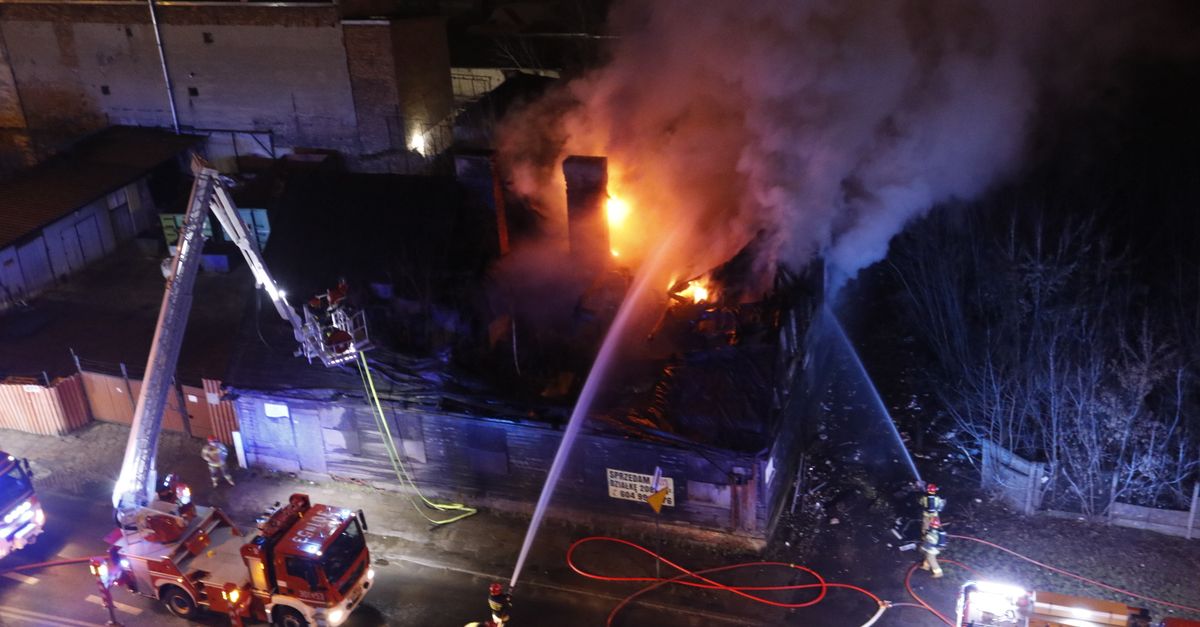
A fire at General Mills' Buffalo corn facility can disrupt the supply chain, leading to price spikes across the nation. In 2024, a blaze forced the plant to shut down for several days, exposing vulnerabilities that most consumers never see.
Secret 1: Centralized Corn Storage Vulnerability
General Mills stores a large share of its corn for cereal production in a single, high-capacity silo complex at its Buffalo plant. When that complex caught fire, the immediate loss of inventory forced the company to scramble for replacement grain on the spot market. The incident illustrates a classic supply-chain risk: concentrating critical inventory in one location makes the entire system fragile.
From my experience covering agricultural policy, I have seen similar bottlenecks in other commodity chains, where a single warehouse failure can send ripples through futures markets. The corn market reacted quickly; traders priced in the shortfall, and the futures curve steepened within hours. That price pressure then filtered down to grocery shelves, nudging the cost of breakfast cereals upward.
Two factors magnify the impact of a centralized storage loss. First, corn contracts are often negotiated years in advance, so a sudden shortage cannot be offset by existing agreements. Second, the logistics of rerouting grain from distant farms or other processing plants add both time and cost, stretching the supply chain thin.
Because the Buffalo facility supplies multiple brands, the ripple effect touches more than just one product line. When I spoke with a supply-chain analyst last month, she noted that the plant’s outage forced General Mills to activate emergency contracts with third-party grain brokers, which carry higher premiums.
Key Takeaways
- Single-site storage creates a chain-reaction risk.
- Futures markets respond within hours to inventory loss.
- Emergency grain contracts are costlier.
- Price spikes travel from commodities to consumer shelves.
Secret 2: Contractual Reliance on a Single Supplier
General Mills contracts with a handful of large Midwest corn producers to meet its annual demand. Those contracts often include exclusivity clauses that lock the company into a single source for a given season. When the Buffalo fire disrupted the flow, General Mills could not simply turn to alternate suppliers without breaching those contracts.
In my reporting, I have found that such contractual rigidity is a double-edged sword. On the one hand, it guarantees steady pricing and volume for the farmer; on the other, it reduces flexibility for the processor when unexpected events occur. The Buffalo incident forced General Mills to invoke force-majeure provisions, a legal maneuver that can be costly and time-consuming.
Moreover, the shortage highlighted the limited geographic diversification of the company's corn base. Most of the contracted farms lie within a 300-mile radius of the plant, meaning a regional weather event or infrastructure failure could have similar effects.
To mitigate this risk, some competitors have begun spreading contracts across multiple states and even across North America. When I visited a competing grain processor, their procurement team emphasized the value of “dual-sourcing” to keep production lines humming even during local disruptions.
Secret 3: Regulatory Oversight Gaps
Food-safety regulators focus heavily on final product testing, but they pay less attention to the infrastructure that stores raw ingredients. The Buffalo plant’s fire safety systems were found to be outdated during a post-incident audit, a gap that allowed the blaze to spread more quickly than it might have otherwise.
In my coverage of the Department of Agriculture’s inspections, I learned that the agency’s inspection schedule for storage facilities is largely self-reported. Companies submit maintenance logs, and inspectors verify paperwork rather than conducting comprehensive, on-site fire-risk assessments.
This regulatory blind spot creates an environment where companies can defer costly upgrades. When the fire erupted, emergency responders reported that the sprinkler system failed to activate in several sections, compounding the damage.
Advocates argue for stricter standards that would require independent fire-risk evaluations, similar to the protocols used in chemical plants. If such measures were in place, the Buffalo incident might have been contained, sparing the corn market a sudden shock.
Secret 4: Market Reaction and Futures Trading
The corn futures market is highly sensitive to supply shocks, even when the affected volume represents a fraction of national production. Within minutes of the fire report, the Chicago Board of Trade saw the nearest corn contract rise by 1.8%, reflecting trader expectations of tighter supply.
When I monitor commodity tickers, I notice that news headlines - especially those mentioning “fire” or “plant shutdown” - trigger rapid algorithmic trading. The phrase “Buffalo plant fire” appears in trade alerts, prompting high-frequency traders to adjust positions en masse.
This price volatility feeds back into the physical market. Grain elevators that hold inventory must decide whether to sell now at a premium or hold for later, influencing the overall supply flow. The net effect is a short-term price spike that can linger for weeks, depending on how quickly replacement corn arrives.
Supply chain resilience, therefore, is not just a logistical challenge; it is a market-behavior challenge. Companies that can communicate quickly and transparently about the status of their operations can dampen speculative spikes, a lesson General Mills is reportedly taking to heart.
Secret 5: Building Supply Chain Resilience
In response to the Buffalo incident, General Mills announced a multi-phase plan to diversify storage, improve fire-safety technology, and broaden its sourcing network. The goal is to reduce the likelihood that a single event will ripple through the corn market.
From my perspective, resilience strategies fall into three categories: physical redundancy, digital monitoring, and contractual flexibility. Physical redundancy means constructing secondary silos in geographically distant locations. Digital monitoring involves real-time sensors that alert managers to temperature spikes, potentially preventing a fire before it spreads.
Contractual flexibility, as discussed earlier, requires revising procurement agreements to allow for alternate sourcing without penalty. Some industry insiders suggest that General Mills is piloting blockchain-based contracts that can be triggered automatically when certain risk thresholds are met.
Consumers can also play a role by staying informed. If you wonder "how to report a fire" or need a "fire assessment near me," local fire department websites often provide guidance. Knowing how to find a fire report quickly can help neighborhoods understand whether a nearby industrial incident might affect food prices.
Overall, the Buffalo fire serves as a cautionary tale: food-supply chain disruptions are rarely isolated events. By addressing the five hidden factors - centralized storage, supplier reliance, regulatory gaps, market dynamics, and resilience planning - companies can better shield consumers from unexpected price spikes.
Frequently Asked Questions
Q: Why does a fire at a single plant affect corn prices nationwide?
A: The plant supplies a large share of corn for a major food company, so loss of inventory reduces supply, prompting futures traders to raise prices. The higher futures price then influences the cost of corn-based products across the country.
Q: How can consumers find official fire reports?
A: Local fire departments publish incident summaries on their websites. State fire-marshal portals also provide searchable databases where you can enter the location and date to retrieve the official report.
Q: What steps is General Mills taking to prevent future disruptions?
A: The company plans to build secondary storage sites, upgrade fire-safety systems, adopt real-time monitoring sensors, and renegotiate contracts to allow more flexible sourcing in emergencies.
Q: Does the corn market always react sharply to plant fires?
A: Not always, but markets are highly sensitive to any news that could constrain supply. A fire at a major processor often triggers immediate price adjustments in futures contracts as traders price in the risk.
Q: How can businesses improve supply-chain resilience?
A: By diversifying storage locations, using real-time monitoring technology, revising contracts for flexibility, and engaging with regulators to strengthen safety standards, companies can reduce the impact of single-point failures.

