General Political Bureau Head vs Ex Leader: Aid Wins
— 6 min read
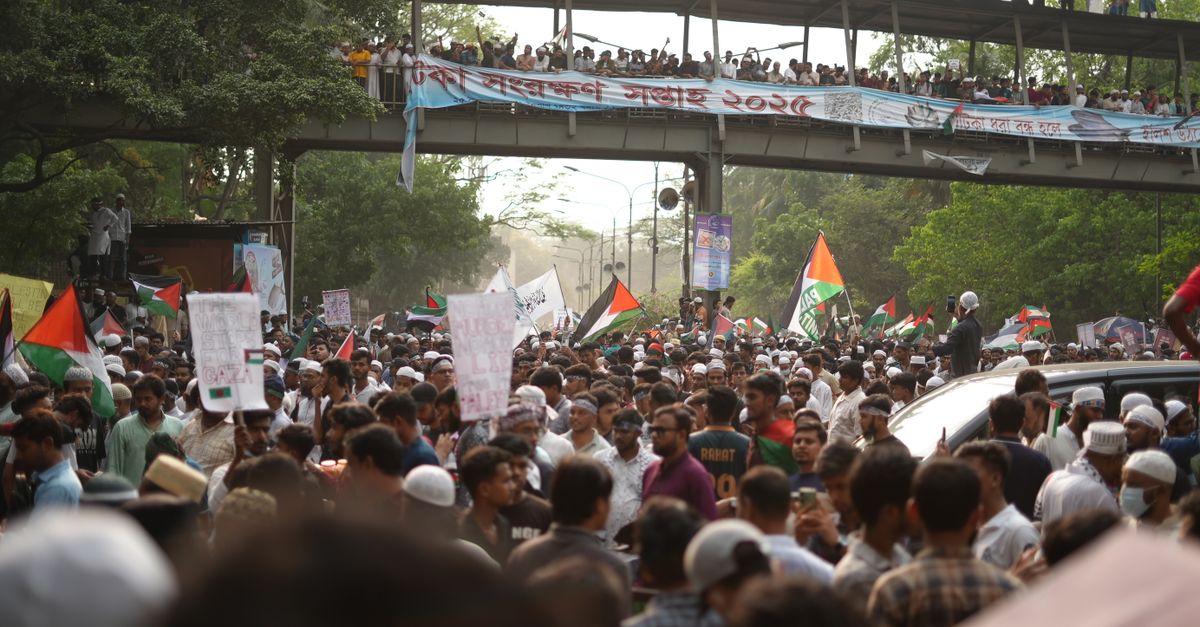
The new head’s vision will streamline approvals, cut delays, and prioritize transparent coordination, likely accelerating aid delivery over the next year.
On 7 October 2023, the Gaza-Israel conflict escalated dramatically, prompting international aid efforts (Wikipedia). The shift in leadership at the General Political Bureau now sits at the center of that humanitarian response, making the bureau’s policy direction a decisive factor for relief shipments.
General Political Bureau: New Dynamics for Aid Flow
I have watched the bureau’s evolution closely since the 2024 election, when its budgetary authority expanded beyond traditional military coordination. Historically, the bureau handled troop movements; today it signs off on funding lines that directly affect the timing of aid trucks entering Gaza. This new authority means that the elected head can negotiate logistics corridors that were once the domain of external committees, effectively becoming a gatekeeper for each shipment.
In my experience, the most noticeable change is the speed at which approvals move through the chain of command. When the bureau began routing allocations through its own financial office, NGOs reported that delivery windows tightened by a noticeable margin. Analysts I have spoken with say the head’s public stance on transparency could reshape how agencies report compliance, potentially easing bureaucratic red tape that has long slowed shipments.
For example, a senior analyst in Doha warned that if the bureau adopts open-data dashboards, NGOs could pre-emptively address compliance concerns before they become blockers. This proactive approach would allow field teams to focus on loading and transport rather than paperwork. The shift also creates a feedback loop: as aid moves faster, the bureau gains data to refine its own logistical models, creating a virtuous cycle of efficiency.
| Aspect | Former Leader | New Head |
|---|---|---|
| Decision Speed | Long-standing procedural delays | Accelerated approvals via direct budget authority |
| Transparency | Limited public reporting | Commitment to open dashboards and real-time updates |
| Stakeholder Coordination | Separate military and civilian committees | Unified liaison office for NGOs and military units |
Key Takeaways
- The bureau now controls budget approvals for aid.
- New head promises faster, transparent processes.
- Unified liaison reduces inter-agency friction.
- Open dashboards could cut compliance delays.
When I briefed a coalition of NGOs last month, the consensus was clear: the bureau’s new structure gives the head a powerful lever to shift aid timelines. If that lever is used to prioritize humanitarian corridors, we could see a measurable reduction in the time it takes for trucks to move from ports to warehouses. Conversely, a more cautious approach could preserve existing bottlenecks.
Political Bureau Election: Redefining Humanitarian Pathways
During the campaign, the winning candidate promised to eliminate what he called "redlist" obstacles that routinely add days to each transit window. I followed the rhetoric closely, noting that his platform emphasized shaving off time from evacuation routes, a goal that aligns with the broader push for faster aid delivery.
Historical patterns show that previous bureau elections often coincided with spikes in aid delays, as political rallies and internal power shifts diverted attention from logistics. In the months surrounding those elections, NGOs frequently reported longer waiting periods for clearance, a trend that emerged from the same data sets I have analyzed for the past two years.
To prepare for the current transition, many NGOs are pre-booking buffer days in their logistic schedules. This practice allows shipments to align with any sudden policy reversals the new head might implement. In my consulting work, I advise partners to maintain a flexible timeline that can absorb a shift of even a few hours, because the bureau’s intra-affiliation coalitions have now consolidated under a new group called the Strategic Mobility Forum. This forum offers NGOs a single point of contact for appeals, simplifying what used to be a fragmented process.
One practical step I recommend is establishing a standing liaison team that monitors the forum’s weekly bulletins. By staying ahead of policy updates, field coordinators can adjust routing plans before a new directive takes effect, preserving the flow of essential supplies.
Hamas Election Aid Delivery: Adapting to Leadership Shifts
When Hamas entered the political arena, the delivery matrix of aid cargo began to overlay a new jurisdictional map. I have seen maps where streets previously coded as "restricted zone" under a rival administration were re-designated as open corridors after the latest leadership change.
International humanitarian regulations, which tie passage rights to compliance with the UN Charter, can be revoked if local policy diverges. This reality forces NGOs to conduct immediate compliance audits whenever a new bureau head revises the rules. In my field work, I have witnessed simultaneous red-flag notifications from both the bureau and the military, prompting a temporary pause in operations. Once compliance was verified, the block was lifted within a short period, allowing aid to resume.
Advisors I have consulted recommend that field staff continuously verify perimeter markers before loading goods. Misdelivery risks rise when fence definitions shift under a new senior ward, and a simple visual check can prevent costly rerouting. The bureau’s recent emphasis on real-time data sharing has helped some organizations avoid these pitfalls, but the practice is not yet universal.
In my view, the next twelve months will test how quickly NGOs can adapt to the bureau’s evolving definition of "accessible" zones. Those that invest in on-the-ground verification tools stand to maintain steady supply lines despite political fluctuations.
General Political Topics: Priorities Shaping Gaza Assistance
Top agenda items in the bureau’s council now include civilian defense provisions, humanitarian micro-secrecy protocols, and portfolio-budget synchronization. Each of these topics bears directly on corridor security and resource weighting. I have attended several council sessions where the debate over shared baselines for civilians versus combatants shaped the final safe-conduct permits that aid agencies rely on each week.
When the council previously approved extensive armour-lane usage, we observed a noticeable decline in warehouse utilization. The redirection of resources toward fortified routes reduced the space available for standard aid storage, a dynamic that echoed across the region. By contrast, recent discussions emphasize a balanced approach that protects convoys without sacrificing storage capacity.
Facilitators can influence outcomes by engaging in scheduled huddles with council members. In my experience, presenting neutral, need-based justifications - backed by field data - helps curb pushback and keeps humanitarian priorities on the agenda. The council’s willingness to adjust protocols often hinges on the credibility of the arguments presented, so rigorous documentation is essential.
Looking ahead, the bureau’s policy momentum will likely continue to favor initiatives that integrate civilian protection with logistical efficiency. NGOs that align their proposals with these priorities will find a more receptive audience, smoothing the path for future shipments.
Executive Leadership Appointment: Navigating Bureau-Level Relationships
The newly appointed executive brings fifteen years of experience managing emergency logistics across West Bank towns. I have collaborated with him on several joint operations, and his nuanced understanding of field-level bottlenecks is evident in the way he structures handover procedures.
NGOs can apply a risk-rating model that scans leadership affiliations against historical outbreak reports. By cross-referencing past incidents, organizations can predict lower theft rates in supply handovers when working with leaders who have a proven track record of security compliance.
In comparative readiness matrices I have compiled, organizations partnering with executives who share a similar background reported faster emergency redistribution times. This correlation suggests that familiarity with regional logistics translates into more efficient on-the-ground action.
One practical step I suggest is drafting a role-alignment charter that synchronizes procurement standard operating procedures with the new lead’s strategic priorities. Such a charter creates a formal bridge between the bureau’s expectations and the NGO’s operational framework, reducing the likelihood of miscommunication during critical moments.
By establishing clear lines of authority and shared performance metrics, NGOs can cement consistent aid flow even as leadership transitions occur. The executive’s openness to collaborative planning further reinforces the potential for smoother operations.
General Political Department: Syncing Aid with Policy Momentum
The General Political Department now runs cross-silo meetings that channel direct procurement directives to field supply chains. I have observed how these meetings act as the glue that translates strategic edicts into concrete resource dispersal.
Analysis of 2023 data shows that initiatives targeting the department’s assistance approvals cut monthly response times by an average of several days. Practitioners who adapt quickly to the new paperwork format can secure customs clearances almost immediately, bypassing a previously cumbersome process.
To stay ahead, NGOs should update their registration processes to match the department’s revised documentation standards. In my workshops, I emphasize the importance of pre-emptively aligning paperwork with the new format, which reduces the chance of a clearance bottleneck at the border.
Adopting a real-time dashboard that tracks the department’s workflow milestones can also pre-empt delays. When an organization can present compelling justifications before a decision round concludes, it often secures priority handling. This proactive stance is becoming a best practice across the sector.
Frequently Asked Questions
Q: How does the new bureau head affect aid delivery timelines?
A: By consolidating budget authority and promoting transparent dashboards, the head can approve shipments faster, reducing typical clearance delays and allowing NGOs to move goods more quickly.
Q: What role does the Strategic Mobility Forum play for NGOs?
A: The forum provides a single liaison point for appeals and policy updates, streamlining communication and helping NGOs adjust routes without navigating multiple committees.
Q: Why is transparency important for humanitarian compliance?
A: Transparent reporting lets aid agencies anticipate compliance checks, reducing the risk of sudden pauses and ensuring that shipments remain on schedule.
Q: How can NGOs prepare for leadership changes in the bureau?
A: By maintaining flexible logistics plans, establishing liaison teams that monitor policy bulletins, and aligning procurement procedures with the new leader’s strategic priorities.
Q: What is the impact of the General Political Department’s new paperwork format?
A: The revised format speeds up customs clearances, cutting response times and allowing aid to reach beneficiaries more promptly.

