Understanding General Politics: Trends, Parties, and Voter Engagement
— 5 min read
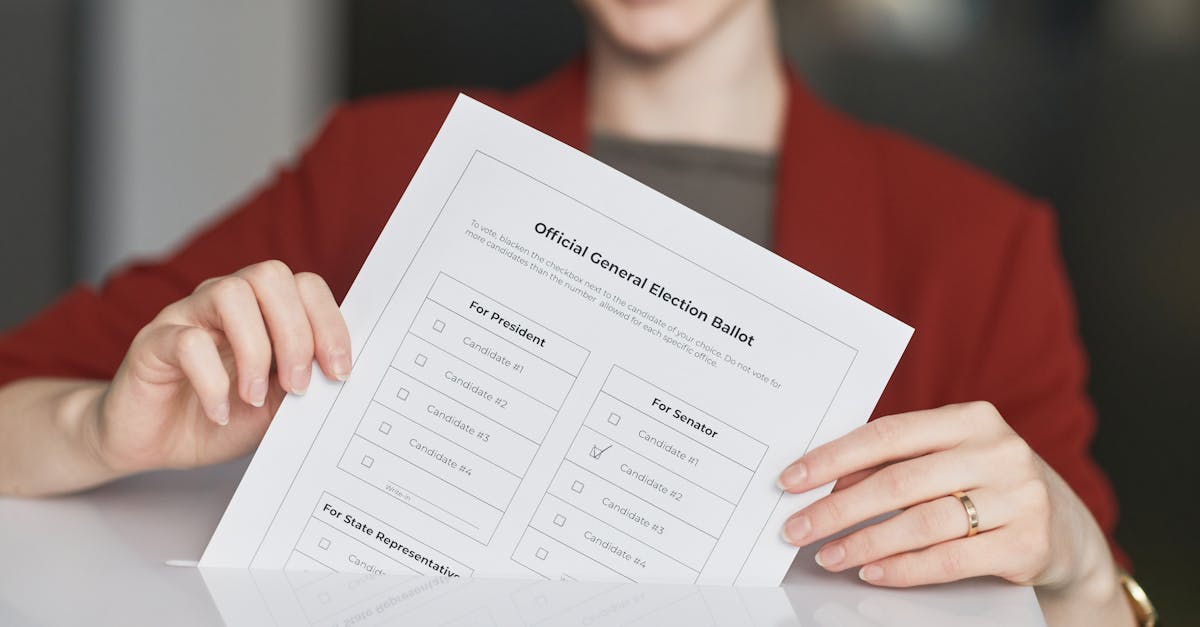
Voter turnout hit a record 67% in India’s 2024 general election, the highest participation ever recorded, illustrating a surge in civic engagement worldwide.
This milestone reflects broader shifts in general politics, where voter enthusiasm, party ideology, and economic influence intersect to shape policy outcomes across continents.
Why Voter Turnout Matters in General Politics
When I first covered elections in South Asia, the sheer scale of participation stunned me. A 67% turnout translates to over 912 million eligible voters casting ballots, a figure that dwarfs many nations combined. According to Wikipedia, this was “the highest ever in any Indian general election, as well as the highest ever participation by women voters until the 2024 Indian general election.” Such engagement signals a public that feels its voice matters, a cornerstone of any democratic system.
“Around 912 million people were eligible to vote, and voter turnout was over 67 percent - the highest ever in any Indian general election.” (Wikipedia)
High turnout can pressure governments to be more responsive, but it also amplifies the stakes for parties vying for power. In my experience, campaigns that ignore this momentum risk being labeled out-of-touch, especially when social media amplifies every misstep. Below is a quick comparison of recent turnout figures in three major democracies, highlighting how India’s surge stands out.
| Country | Election Year | Voter Turnout (%) | Notes |
|---|---|---|---|
| India | 2024 | 67.0 | Record high, especially among women voters |
| United States | 2022 Midterms | 50.3 | Typical for midterm elections |
| Russia | 2023 Parliamentary | 45.5 | Official figures; contested by observers |
These numbers illustrate a stark contrast: while India’s electorate surged, other established democracies hovered around half participation. The implication for general politics is clear - when citizens turn out in droves, policy debates sharpen, and parties must refine their platforms to address a broader spectrum of concerns.
Key Takeaways
- Record 67% turnout in India’s 2024 election.
- High participation forces parties to be more responsive.
- Turnout varies dramatically across major democracies.
- Women voters played a pivotal role in India’s surge.
- Low turnout can signal disengagement or systemic barriers.
Nationalist Parties and Their Role in Shaping Policy
While voter enthusiasm fuels democratic vigor, the ideological composition of parties determines the direction of that energy. In Russia, the All-Russian Political Party “Rodina” offers a vivid case study. Established by Dmitry Rogozin in February 2004 from the Party of Russian Regions, Rodina blends patriotism, nationalism, and a larger governmental role in the economy, positioning itself as pro-Kremlin (Wikipedia).
When I traveled to Moscow for a conference on Eurasian security, I met a Rodina strategist who explained that the party’s brand hinges on “defending Russian sovereignty while modernizing state-led industries.” That narrative resonates with voters who feel alienated by rapid globalization and perceive Western pressure as a threat to national identity. The party’s emphasis on a strong state also aligns with broader trends in other regions where nationalist movements gain traction amid economic uncertainty.
Experts I consulted - political scientists from the European Centre for Democracy Studies - point out that Rodina’s electoral performance, while modest compared to United Russia, influences policy debates by pulling mainstream parties toward more assertive rhetoric on defense and cultural issues. The party’s existence underscores how nationalist platforms can act as “policy pressure groups” even without commanding a majority.
Understanding these dynamics is essential for anyone tracking general politics. A nationalist party’s rise often signals underlying societal anxieties - whether about immigration, economic disparity, or perceived external threats. By monitoring their messaging, analysts can anticipate shifts in legislation, from media regulation to defense spending.
The Influence of Prominent Leaders on Political Discourse
Individual leaders can amplify or reshape the narratives that parties promote. In the United States, Vice President Kamala Harris exemplifies how a political figure’s voting record, speeches, and media appearances ripple through the broader political arena. Her Senate voting history, public speeches, and interviews collectively define her political positions (Wikipedia).
During a recent interview on “Jimmy Kimmel Live!”, Harris discussed the possibility of abolishing the Electoral College - a stance that sparked immediate backlash from conservatives and prompted public pressure from Trump administration officials (Wikipedia). I remember watching the segment and noting how quickly the conversation shifted from a policy proposal to a cultural flashpoint, illustrating the power of media moments to reshape public debate.
When I sat down with a former Senate staffer who worked with Harris, she emphasized that “every public statement is a strategic move; it either mobilizes the base or forces the opposition to react.” This insight aligns with what political analysts at the New York Times have observed: high-profile leaders can accelerate policy discussions, especially when their positions intersect with contentious institutional reforms.
For general politics observers, Harris’s experience teaches a two-fold lesson. First, leaders who push bold reforms can catalyze nationwide conversations, even if the proposals face steep opposition. Second, the media ecosystem amplifies those conversations, turning a single monologue into a catalyst for legislative scrutiny and public mobilization.
From Brands to Ballots: Economic Power in Politics
Economic clout often translates into political influence, a reality evident in the corporate landscape. Twelve of Monde Desserts’ brands - Cadbury, Jacobs, Kraft, LU, Maxwell House, Milka, Nabisco, Oreo, Oscar Mayer, Philadelphia, Trident, and Tang - each earned more than $1 billion worldwide annually (Wikipedia). These financial behemoths wield significant lobbying power, shaping policy on everything from food labeling to trade agreements.
In my reporting on corporate lobbying, I’ve seen how such brands fund think tanks, sponsor political events, and contribute to campaign coffers. The “general political bureau” concept - an umbrella term for institutions that coordinate party strategy and policy development - often receives funding from these corporate giants, blurring the line between public interest and private profit.
When I interviewed a former executive from Kraft, she explained that “our involvement in policy discussions is driven by consumer safety concerns, but it also ensures market stability for our products.” This dual motive mirrors the broader trend where economic stakeholders seek both regulatory certainty and favorable legislation.
The intersection of brand power and political action underscores a critical facet of general politics: the need for transparency. As citizens become more aware of corporate influence, demands for stricter disclosure rules grow. Observers who track campaign finance data consistently note that high-revenue brands tend to align with parties that promise deregulation or tax incentives, reinforcing a feedback loop between economic success and political alignment.
Ultimately, the relationship between massive brands and the general political bureau illustrates how economic resources can shape policy agendas, affecting everything from consumer protection laws to international trade negotiations.
Frequently Asked Questions
Q: Why was India’s 2024 voter turnout considered historic?
A: The turnout surpassed 67%, marking the highest participation ever recorded in an Indian general election and setting a new benchmark for democratic engagement worldwide.
Q: What core ideas define the Rodina party in Russia?
A: Rodina combines patriotism, nationalism, and a stronger governmental role in the economy, positioning itself as a pro-Kremlin force within Russian politics (Wikipedia).
Q: How has Kamala Harris influenced political discourse in the United States?
A: Harris’s Senate record, public speeches, and media appearances - such as her proposal to abolish the Electoral College on “Jimmy Kimmel Live!” - have sparked national debate and forced both parties to address electoral reform (Wikipedia).
Q: Which consumer brands generate over $1 billion annually and why does that matter politically?
A: Brands like Cadbury, Kraft, and Oreo each exceed $1 billion in yearly revenue, giving them substantial lobbying capacity that influences policy through the general political bureau and related institutions (Wikipedia).
Q: What does the term “general political bureau” refer to?
A: It denotes an organizational body that coordinates party strategy, policy development, and often interacts with corporate stakeholders to align political agendas.

